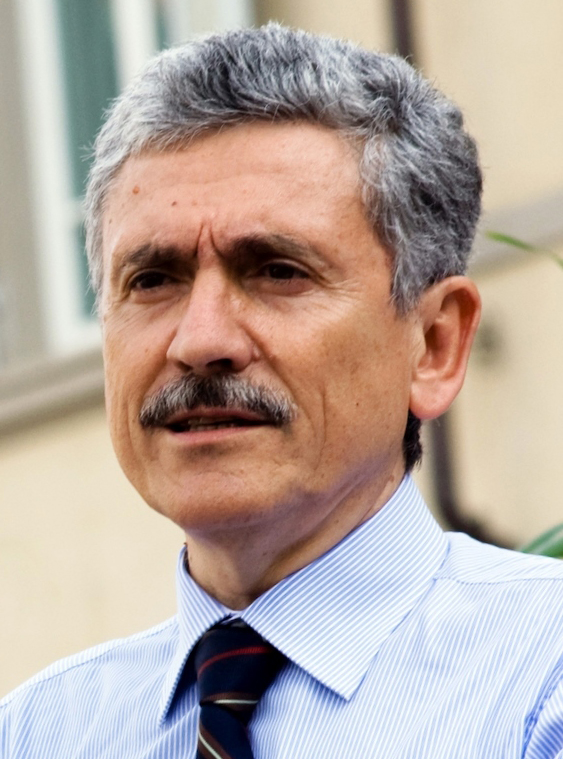
Debate about the West’s future is often framed as competition between blocs. Massimo D’Alema’s interview, published by OttolinaTV on 6 November 2026, offers a different starting point: examining internal economic and political choices too. This is the basis of HEF Focus’s analysis. The headline is an editorial synthesis, not a direct quotation.
Four excerpts, one player
AI: from access to technology to freedom of choice
At 05:02–05:56, D’Alema links industrial competitiveness to the diffusion of AI, criticises its concentration in a few American companies and invokes the public interest and European research. This is a political assessment: the comparison between production systems is not demonstrated here through comparable indicators.
HEF’s question is practical: can a business, hospital or public authority really switch suppliers when its data, processes and expertise depend on the same infrastructure? The commercial availability of many services does not, by itself, ensure workable alternatives. Interoperability, data portability, operational continuity and people able to understand what the system decides are essential.


Capitalism of Meaning addresses this problem by asking that a decision’s purpose and consequences be assessed before it creates irreversible dependencies. Innovation retains its value when it expands people’s capacity to act. If it increases productivity while reducing freedom of choice, its economic performance does not fully determine its social value.
Europe: having a voice requires building capabilities
Between 06:24 and 07:24, D’Alema deplores the lack of a European initiative in relations between major powers and efforts to secure peace in Ukraine. His criticism targets the continent’s political weakness, rather than dialogue between the other actors.
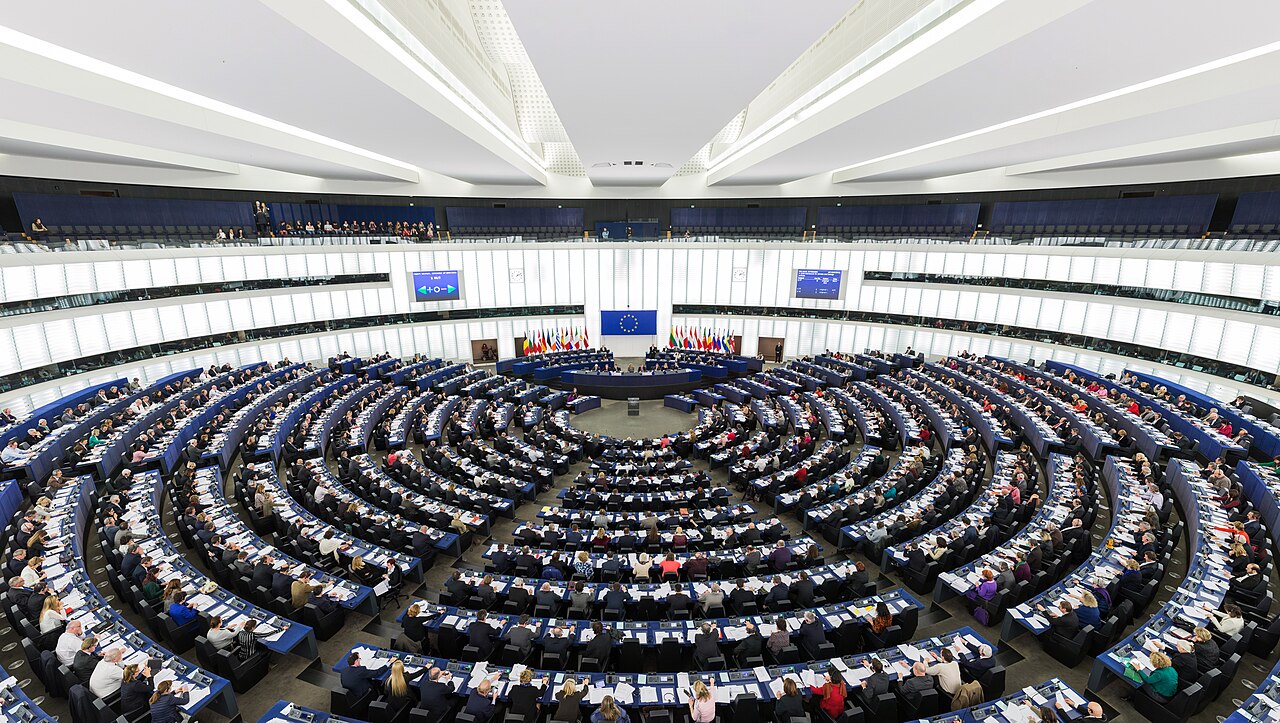

For HEF, Europe’s political position meets the technology debate at the intersection of autonomy and accountability. A continent dependent on infrastructure it cannot replace has less room to negotiate. Yet creating a European provider is insufficient if it reproduces the same imbalance between those controlling infrastructure and those affected by its decisions. Shared research, competition and democratic oversight must advance together.
Multipolarity: sharing the world does not solve every problem
At 09:02–09:47, D’Alema urges the West to recognise a plurality of values and pursue dialogue, abandoning its claim to determine everyone’s destiny. In his argument, defending one’s values should not become a project to restore hegemony.
Connecting this argument to Capitalism of Meaning requires a critical step. Having several centres of power does not automatically guarantee individual freedom, social justice or elite accountability. The same questions apply in every system: who participates in decisions, who can challenge them, and who bears the cost of mistakes? International dialogue is necessary, but must be accompanied by institutions capable of holding power accountable.
Wealth: from redistribution to preventive responsibility
Between 11:04 and 11:57, D’Alema attributes Western discontent to the domestic distribution of growth’s benefits and the concentration of wealth and power within a minority. He places responsibility on Western democracies and their choices. This is his diagnosis, not a statistical measurement supplied by this article.
The Systemic Social Dividend operates on a different level from general income redistribution. In HEF’s proposal, it is a mandatory mutual guarantee linked to the systemic risks generated by operators: not a wealth tax, universal basic income or compulsory transfer of shares. Its criterion is responsibility for dependencies that can transfer collective costs onto society.
The proposed sequence is to prevent and reduce risk, then cover the residual risk. When a service becomes essential and difficult to replace, the consequences of interruption, exclusion or an imposed transition must be assessed. Mutual contributions depend on the established residual risk and may fall to zero when that risk is eliminated. This approach requires verifiable criteria, independent assessment and resources reserved for the guarantee’s purposes.
The SSD does not replace industrial policy, public investment, competition or redistributive choices. It proposes an additional layer of preventive responsibility: preventing those benefiting from a systemic position from transferring all its risks to others. The engagement with D’Alema concerns the questions he raises, rather than attributing to him a solution he does not present in the interview.
An open discussion for HEF
HEF’s work on Capitalism of Meaning and the Systemic Social Dividend intersects with scientific work initiated with scholars from the University of Pisa and debate hosted on Nova100 – Il Sole 24 Ore. Scientific scrutiny must make the criteria open to challenge and verification: when a dependency becomes systemic, which harms should be prevented, how substitutability can be measured, and how responsibility differs from economic size.
The Forum on 9 December 2026, in the Sala della Regina at the Italian Chamber of Deputies, offers a setting for these questions to bring research, institutions and conceptions of human life into conversation. D’Alema’s remarks provide an opportunity for discussion. The connections to the SSD and Capitalism of Meaning are developed by HEF Focus and do not imply endorsement of individual proposals by the interviewee, the University or the newspaper.
The question is this: an economy’s strength depends not only on how much wealth it produces, but also on its capacity to prevent concentrated power from leaving everyone else without alternatives.